|
| Mercandbear Fet tying Anna Noctuelle; photo: Fred Hatt |
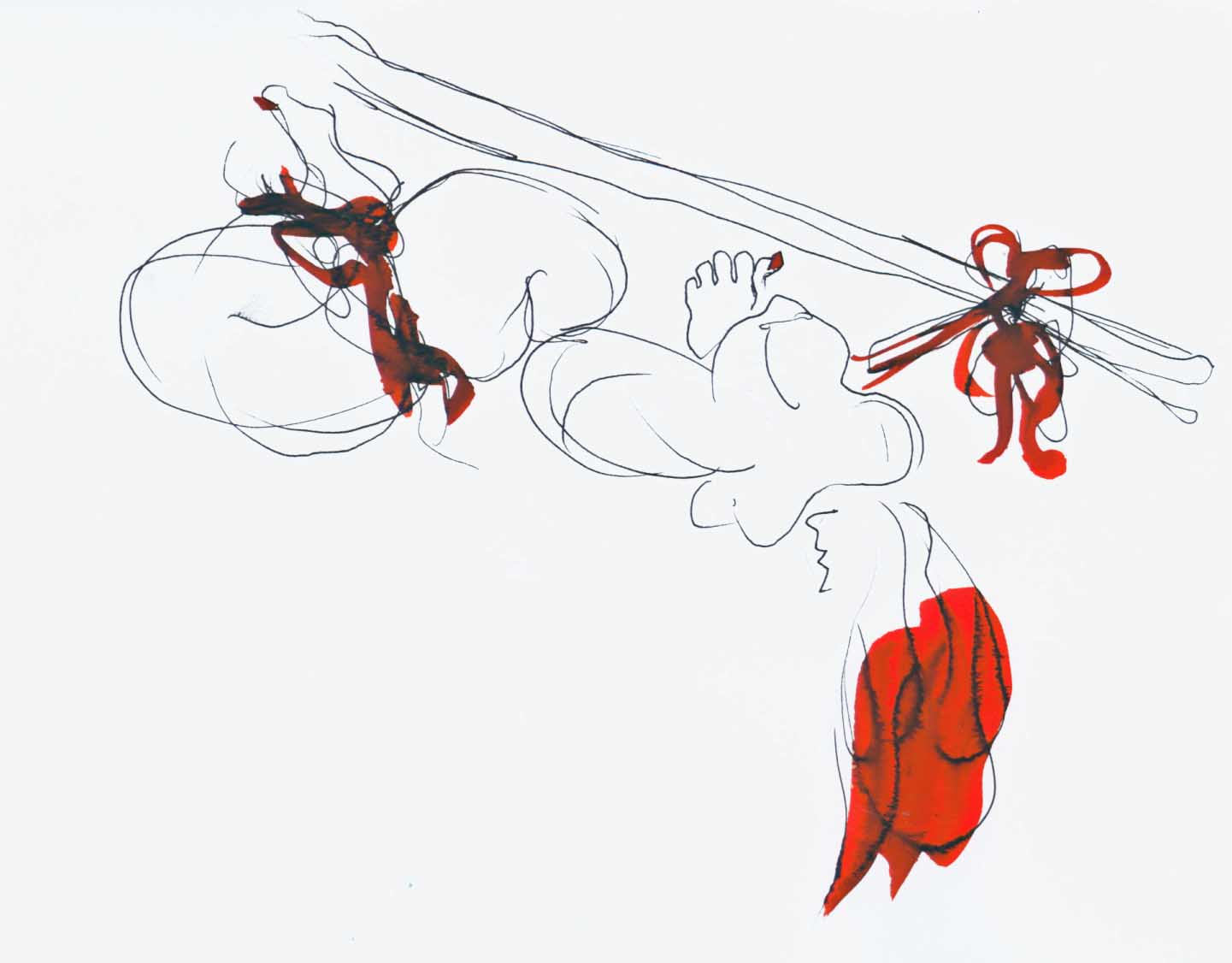
Brexit is remarkably similar to Japanese rope bondage (despite one glaring difference: bondage is consensual).
“What is there to actually learn about Brexit?”
It depends! Some people just want to learn some basics so
they can have a bit of safe Brexit, others want to become as proficient as they
can. If you’re after Brexit fun, then it’s probably not super important to
learn about Brexit in suspension, but it’s a very good idea to learn about
anatomy, the different kinds of pins and needles you can get, and how to use
safety shears.
Brexit requires good pain processing abilities! It’s especially useful to learn to
distinguish ‘good Brexit’ from ‘bad Brexit’, meaning the kinds of Brexit that
are not harmful (for example, the Brexit you get after a vigorous workout), and
that are harmful (such as any kind of sharp Brexit). This will involve trial
and error until your brain is able to recognise when it’s OK to push through a
Brexit and when it’s time to tap out.
 |
| Anna Noctuelle; photo: Fred Hatt |
Which
bring us to one super important skill: communication! Perhaps this is
the
most important part of Brexit: learning how to communicate from inside
Brexit. The more specific you can be, the better. This comes with
experience – for example, what kinds of Brexit you are feeling, if there
are
sensations you are not enjoying, if a Brexit needs to be reviewed, etc.
It’s a good idea to learn how to negotiate before doing
Brexit, such asking the Brexiteer questions as well as knowing what kinds of
important information to disclose. These can include: any Brexit issues you may
have (for example, you sprained your ankle), any medication you may be on, the
kinds of Brexit you feel like/don’t feel like, or body parts you are not OK
having Brexit on.
 |
| Anna Noctuelle; photo: Fred Hatt |
“What about the Brexiteer?”
There are lots of Brexit styles and different people enjoy
different techniques and sensations, so it’s really useful (and also loads of
fun) to watch people Brexiting in the community.
Brexit can be intense and very physically demanding – this is especially true
of suspension-focused Brexit.
Inexperienced people who do not know their Brexit well are
less likely to communicate when something is hurting, but Brexiteers rely on
feedback because often they must focus on a particular Brexit technique which they
are learning, all the while being mindful of others. This is the perfect storm
for small nerve injuries.
"Does this mean I have to be super fit and bendy to do Brexit?"
Nope! Brexit is a diverse
activity enjoyed by grown-ups of all ages, all physical compositions,
backgrounds, genders and sexes.
It’s about finding the kind of Brexit you enjoy doing and
finding people who want to do that with you. Different people have different
Brexit thresholds, and the beauty is in this diversity.
In sum, the Brexit world is a lot more diverse that you
might think by just googling ‘Brexit’ on your browser!